
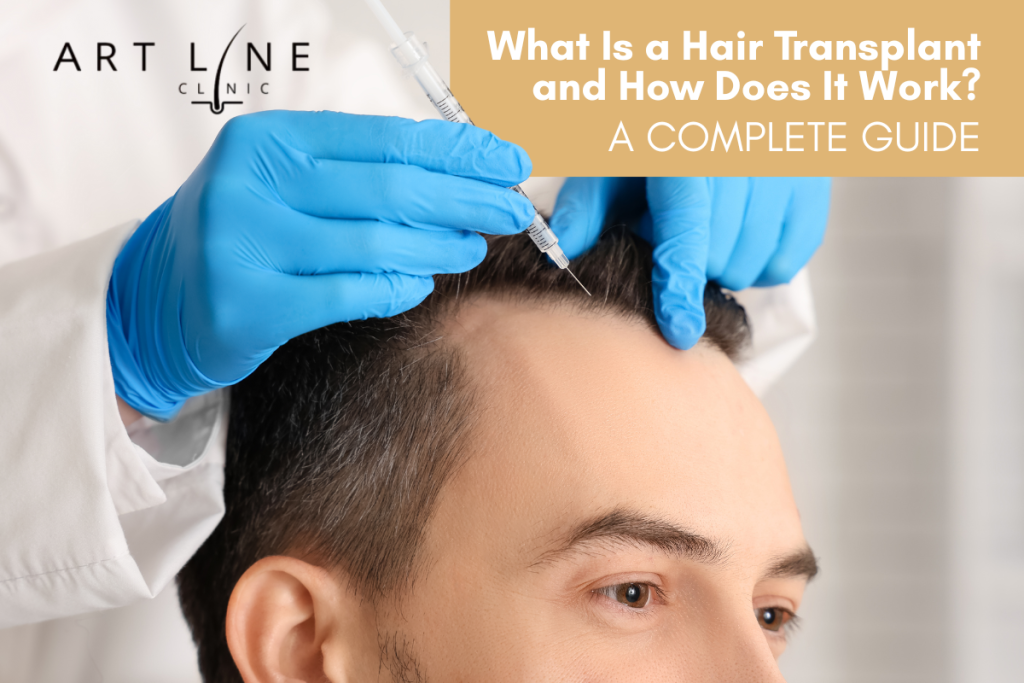
What Is a Hair Transplant? Procedure, Results & Benefits
Hair loss affects millions of men and women worldwide and can significantly impact confidence, self-image, and quality of life. As hair thinning progresses, many people search for solutions that go beyond topical treatments or medications. This is where hair transplantation has become one of the most effective and long-lasting options available today.
A hair transplant is a medical procedure designed to restore natural hair growth in areas affected by thinning or baldness. Thanks to modern techniques and advanced technology, today’s hair transplants deliver natural-looking, permanent results when performed by experienced specialists.
In this complete guide, we will explain what a hair transplant is, how it works, who it is for, and what you can realistically expect from the procedure.
What Is a Hair Transplant?
A hair transplant is a minimally invasive surgical procedure that involves relocating healthy hair follicles from one part of the scalp (known as the donor area) to areas experiencing hair loss or thinning (the recipient area).
The most common donor area is the back or sides of the scalp because hair in these regions is genetically resistant to hair loss. Once transplanted, these follicles continue to grow naturally in their new location.
Unlike temporary solutions, a hair transplant addresses hair loss at its root by redistributing your own natural hair, creating long-term and often permanent results.
How Does a Hair Transplant Work?
The hair transplant process follows several carefully planned steps to ensure precision, safety, and natural results.
1. Consultation and Evaluation
The process begins with a detailed medical consultation. During this step, the specialist evaluates:
- Hair loss pattern and progression
- Donor area density
- Scalp condition
- Overall health and expectations
This evaluation determines whether the patient is a good candidate and which technique will provide the best outcome.
2. Donor Hair Extraction
Healthy hair follicles are harvested from the donor area using advanced techniques designed to minimize discomfort and scarring.
There are two primary extraction methods:
- FUE (Follicular Unit Extraction)
- FUT (Follicular Unit Transplantation)
A detailed comparison of these techniques is covered in our article “FUE vs FUT Hair Transplant: Which Technique Is Right for You?”, which helps patients make an informed decision.
3. Graft Preparation
Once extracted, the follicles (called grafts) are carefully prepared under magnification to ensure they remain healthy and viable for transplantation.
4. Implantation
The grafts are strategically implanted into the thinning or bald areas, following the natural direction, angle, and density of hair growth. This step is critical for achieving natural-looking results.
Who Is a Hair Transplant For?
Hair transplants are suitable for both men and women experiencing hair loss, but not everyone is an ideal candidate.
Good candidates typically:
- Have sufficient donor hair
- Experience stable hair loss
- Are in good overall health
- Have realistic expectations
Common conditions treated with hair transplants include:
- Male pattern baldness
- Receding hairlines
- Crown thinning
- Hair loss from trauma or scarring
- Thinning eyebrows or beard areas
What Areas Can Be Treated?
Hair transplantation is highly versatile and can be used to restore hair in multiple areas, including:
- Scalp (hairline, crown, temples)
- Beard and mustache
- Eyebrows
- Scar camouflage
Each treatment plan is customized based on the patient’s needs and aesthetic goals.
Are Hair Transplants Permanent?
Yes, hair transplants are considered permanent because the transplanted follicles come from genetically resistant areas. Once implanted, they continue to grow naturally for a lifetime.
However, it’s important to note that untreated native hair may continue to thin over time. This is why a long-term hair restoration strategy is often recommended.
What Results Can You Expect?
Hair transplant results develop gradually:
- Initial shedding occurs within the first few weeks
- New growth begins around 3–4 months
- Visible density improves by 6–9 months
- Final results appear around 12 months
The outcome is natural, growing hair that can be cut, styled, and maintained just like the rest of your hair.
Benefits of a Hair Transplant
- Natural-looking results
- Permanent solution
- Low maintenance
- Improved confidence and self-image
- Uses your own hair
Modern hair transplantation offers predictable, safe, and highly satisfying outcomes when performed by skilled professionals.
Ready to restore your hair with natural, lasting results?
Schedule a personalized consultation with Artline Hair Clinic today and discover the best hair restoration solution for you.