
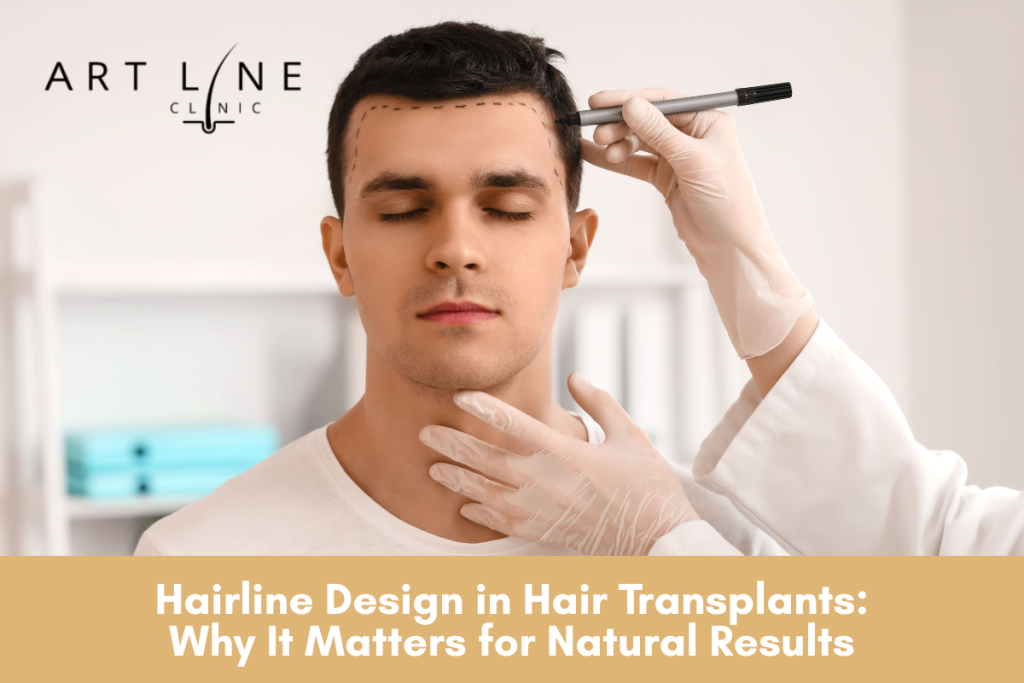
One of the most critical aspects of a successful hair transplant is hairline design. While many patients focus on restoring hair density, the shape and placement of the hairline often determine whether the final result looks natural.
A well-designed hairline blends seamlessly with facial features and ages naturally over time. Poor hairline design, on the other hand, can make even technically successful procedures appear artificial.
In this article, we explore why hairline design is essential, how specialists create natural hairlines, and what factors influence the planning process.
Why Hairline Design Is So Important
The hairline frames the face. Its shape and density influence how natural a hair transplant appears.
Proper hairline design helps achieve:
- Natural facial proportions
- Balanced density
- Long-term aesthetic harmony
Hairline planning requires both medical expertise and artistic judgment.
Key Factors Specialists Consider
Hairline design is personalized for every patient.
Facial Structure
The hairline must complement facial proportions, including forehead height and facial symmetry.
Age
Younger patients may desire a lower hairline, but specialists often design a slightly mature hairline that will still look natural decades later.
Hair Density
Donor hair availability influences how much density can be achieved.
Hair Direction and Angle
Natural hair grows at specific angles, and transplant placement must mimic these patterns.
Natural vs Artificial Hairlines
A natural hairline typically features:
- Slight irregularities
- Gradual density changes
- Fine single-hair grafts at the front
Artificial hairlines often appear too straight or dense at the front edge.
The Importance of Long-Term Planning
Hair transplantation should consider future hair loss progression.
Specialists avoid designing hairlines that:
- Are too low
- Require excessive grafts
- May look unnatural with age
Learn about long-term outcomes in Is a Hair Transplant Permanent? Results, Longevity, and Maintenance.
Techniques Used to Create Natural Hairlines
Modern hair transplant techniques allow precise placement of individual follicles.
These techniques help achieve:
- Soft transitions at the hairline
- Natural density distribution
- Realistic growth patterns
Explore techniques in FUE vs FUT Hair Transplant: Which Technique Is Right for You?
The Artistic Side of Hair Restoration
Hair transplantation is not purely surgical—it also requires aesthetic design.
Experienced specialists analyze:
- Facial symmetry
- Ethnicity and hair characteristics
- Long-term aging patterns
This ensures results that look natural from every angle.
Final Thoughts
Hairline design plays a fundamental role in achieving natural hair transplant results. Careful planning, artistic judgment, and surgical precision combine to create a hairline that complements the patient’s appearance and remains natural over time.
Looking for natural-looking hair restoration results?
Contact Artline Hair Clinic to schedule your personalized consultation.