
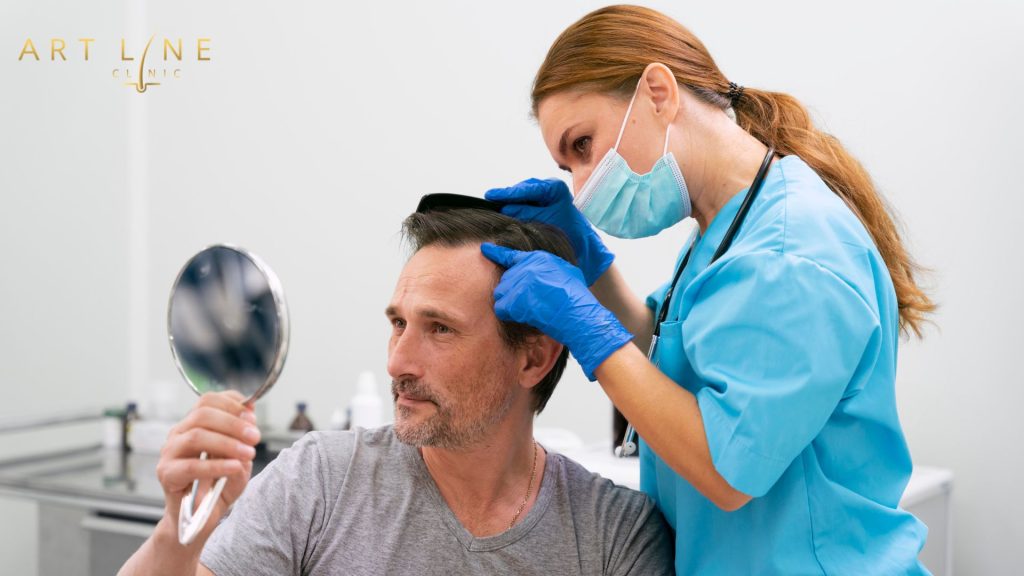
Hair transplants have become one of the most effective solutions for hair loss. As demand grows, many patients compare options between Mexico and the United States to find the best balance of quality, cost, and convenience.
Both countries offer advanced techniques and experienced providers, but there are key differences that can influence your decision.
Understanding these factors helps patients choose the option that best fits their goals, budget, and expectations.
Cost Differences
One of the most noticeable differences is cost.
In general:
- Mexico: significantly lower prices
- USA: higher overall cost
This price gap is often due to:
- Lower operational expenses in Mexico
- Currency differences
- Competitive medical tourism market
Despite lower prices, many clinics in Mexico offer high-quality care comparable to U.S. standards.
Quality of Care
Quality can be high in both countries, but it varies by clinic rather than location alone.
United States
- Strict regulatory environment
- Highly standardized medical practices
- Advanced infrastructure
- Board-certified surgeons
Mexico
- Many highly trained specialists
- Clinics focused on international patients
- Access to modern equipment and techniques
- Quality depends on clinic selection
Choosing a reputable clinic is essential in either country.
Techniques and Technology
Modern hair transplant techniques are widely available in both Mexico and the USA.
Common methods include:
- FUE (Follicular Unit Extraction)
- DHI (Direct Hair Implantation)
- Advanced follicle preservation systems
Many top clinics in Mexico use the same technology as those in the U.S., offering similar procedural quality.
Surgeon Experience and Specialization
The experience of the surgeon plays a critical role in outcomes.
USA
- Surgeons often have extensive training and certifications
- May focus on a variety of cosmetic procedures
Mexico
- Many specialists focus heavily on hair restoration
- High patient volume leads to strong practical experience
In some cases, specialization and repetition can enhance technical skill.
Regulation and Safety Standards
Regulatory systems differ between the two countries.
United States
- Regulated by agencies such as the FDA and state medical boards
- Strict compliance requirements
Mexico
- Regulated by COFEPRIS
- Clinics must meet national health standards
- Safety varies depending on certification and compliance
Patients should always verify credentials and facility certifications regardless of location.
Travel and Accessibility
Location plays a major role, especially for international patients.
Mexico
- Easy access from the U.S., especially border cities like Tijuana
- Short travel times
- Medical tourism packages available
USA
- More convenient for residents
- Easier follow-up visits without travel
Travel logistics should be considered when planning the procedure.
Wait Times and Availability
Scheduling can differ between countries.
- USA: longer wait times in some high-demand clinics
- Mexico: often more flexible scheduling and faster availability
This can be important for patients seeking quicker treatment.
Patient Experience
Many clinics in Mexico cater specifically to international patients.
They may offer:
- Bilingual staff
- Transportation assistance
- All-inclusive packages
- Remote follow-up care
U.S. clinics may provide a more traditional medical experience, often without bundled services.
Follow-Up Care
Post-procedure follow-up is an important consideration.
USA
- Easier in-person follow-ups
- Ongoing care within the same healthcare system
Mexico
- Remote follow-up is common
- Some patients may need to travel back if in-person care is required
Patients should plan ahead for post-treatment support.
Risks and Considerations
Regardless of location, risks exist if proper care is not taken.
Important considerations include:
- Verifying surgeon credentials
- Reviewing before-and-after results
- Confirming techniques used
- Ensuring the clinic follows safety standards
Lower cost should never come at the expense of safety.
Which Option Is Right for You?
The best choice depends on individual priorities.
Mexico may be ideal for patients who:
- Want more affordable options
- Are comfortable traveling
- Seek specialized hair restoration clinics
The USA may be better for those who:
- Prefer local care and follow-up
- Value strict regulatory oversight
- Are less concerned about cost
A consultation can help determine the best path.
Final Thoughts
Both Mexico and the United States offer high-quality hair transplant options. The key differences lie in cost, accessibility, and the structure of care.
With proper research and careful clinic selection, patients can achieve excellent results in either country.
At Art Line Hair Clinic, patients receive advanced techniques, personalized treatment plans, and a focus on natural-looking results, combining quality care with the advantages of medical tourism in Mexico.