
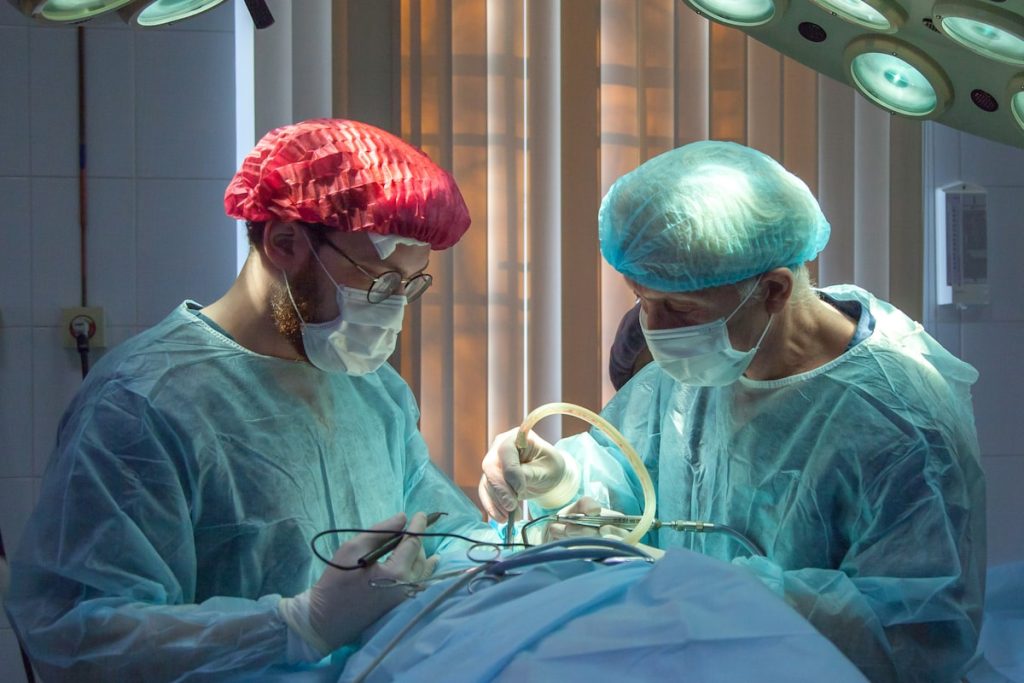
Choosing where to have a hair transplant is one of the most important decisions you’ll make during your hair restoration journey. While natural-looking results matter, patient safety should always come first. A safe clinic is one that follows strict medical standards, employs qualified professionals, and prioritizes your well-being before, during, and after the procedure.
Whether you’re considering treatment in Tijuana or Mexico City, understanding what defines a safe hair transplant clinic can help you make an informed decision.
Proper Licensing and Regulatory Compliance
A reputable hair transplant clinic should operate legally and comply with all applicable healthcare regulations.
In Mexico, patients should look for clinics that:
- Operate under the appropriate health regulations.
- Maintain the required licenses and permits.
- Follow established medical and sanitation standards.
- Have a designated medical professional responsible for regulatory compliance.
Regulatory oversight helps ensure that clinics meet minimum standards for patient safety and quality of care.
Qualified Medical Professionals
Hair transplantation is a medical procedure that requires knowledge, precision, and experience.
When evaluating a clinic, consider whether the medical team has:
- Appropriate medical credentials.
- Specialized training in hair restoration.
- Experience performing modern techniques such as FUE and DHI.
- Ongoing professional education.
A skilled team is essential for both patient safety and natural-looking outcomes.
A Comprehensive Medical Evaluation
A safe clinic does not schedule surgery without first determining whether you are an appropriate candidate.
Your consultation should include an evaluation of:
- Hair loss pattern.
- Donor area quality.
- Medical history.
- Current medications.
- Overall health.
- Treatment expectations.
This assessment helps create a personalized treatment plan while identifying any factors that could affect the procedure or recovery.
Sterile Surgical Environment
Hair transplantation should always be performed in a clean, controlled medical setting.
A safe clinic follows strict infection-control protocols, including:
- Sterile instruments.
- Proper surgical preparation.
- Thorough equipment sterilization.
- Appropriate hygiene practices.
- Medical-grade treatment rooms.
Maintaining a sterile environment helps reduce the risk of complications.
Transparent Treatment Planning
Trustworthy clinics take time to educate patients before treatment.
They should clearly explain:
- The recommended technique.
- Expected recovery.
- Potential risks.
- Realistic outcomes.
- Estimated graft requirements.
- Postoperative care instructions.
Patients should never feel pressured into making a decision without fully understanding the procedure.
Realistic Expectations
A responsible clinic avoids making unrealistic promises.
Hair transplantation can produce significant improvements, but results depend on factors such as:
- Hair characteristics.
- Donor hair availability.
- Degree of hair loss.
- Individual healing.
- Long-term hair loss progression.
Ethical providers focus on achievable, natural-looking outcomes rather than guaranteeing perfection.
Modern Technology and Proven Techniques
A safe clinic stays current with advances in hair restoration.
Many experienced providers offer techniques such as:
- Follicular Unit Extraction (FUE)
- Direct Hair Implantation (DHI)
- High-quality magnification systems
- Precision graft handling
- Modern surgical equipment
Technology should always support the expertise of the medical team, not replace it.
Comprehensive Aftercare
Patient care continues after the procedure.
A quality clinic provides detailed postoperative guidance, including:
- Washing instructions.
- Activity restrictions.
- Follow-up appointments.
- Monitoring of healing.
- Ongoing support throughout recovery.
Proper aftercare contributes to both safety and successful graft growth.
Warning Signs to Watch For
Patients should be cautious if a clinic:
- Guarantees unrealistic results.
- Offers prices that seem unusually low.
- Avoids answering questions.
- Does not perform a thorough consultation.
- Lacks transparency about the medical team.
- Provides little information about postoperative care.
These may indicate that patient safety is not the clinic’s highest priority.
Why Safety and Results Go Hand in Hand
Excellent hair transplant outcomes begin with excellent medical care.
A clinic that prioritizes safety is more likely to provide:
- Careful surgical planning.
- Proper graft handling.
- Lower risk of complications.
- Professional follow-up.
- Natural-looking results.
Choosing a reputable clinic benefits both your health and your long-term satisfaction.
Final Thoughts
A truly safe hair transplant clinic combines qualified medical professionals, strict safety protocols, regulatory compliance, personalized treatment planning, and comprehensive follow-up care. While cost and convenience are important considerations, choosing a clinic that places patient safety at the center of every step is one of the best investments you can make in your hair restoration journey.
At Art Line Hair Clinic, patient safety is the foundation of everything we do. With locations in Tijuana and Mexico City, our experienced medical team combines advanced FUE and DHI techniques, individualized treatment planning, and high standards of clinical care to help patients achieve natural-looking results in a safe and professional environment.