
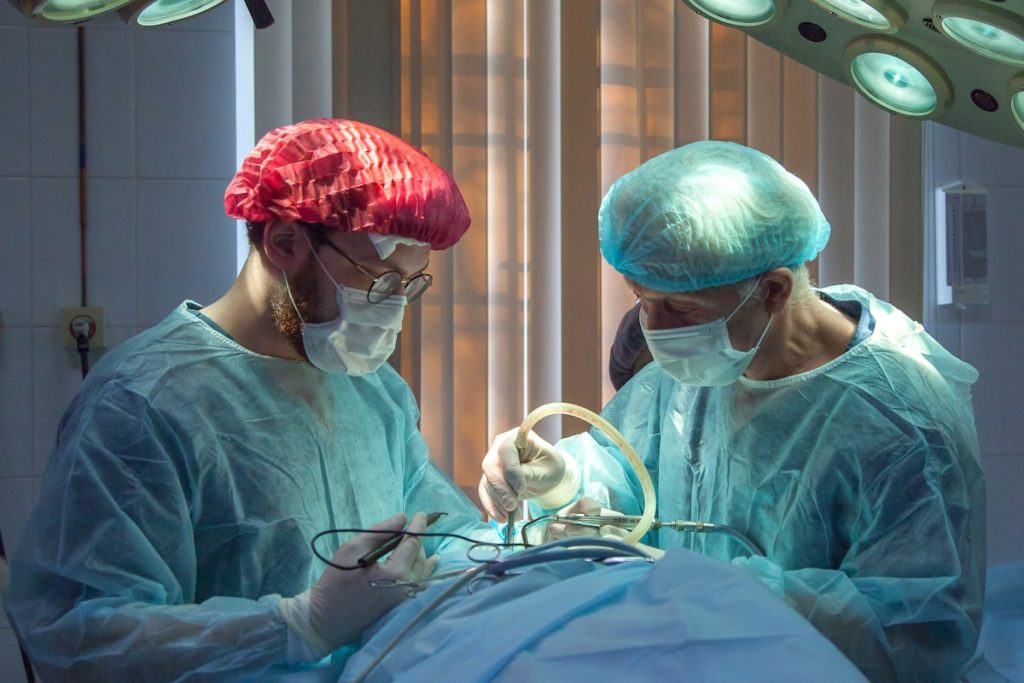
Mexico City is one of the country’s leading medical hubs, offering a wide range of hair transplant clinics and aesthetic medicine providers. However, not all clinics operate under the same standards of quality, safety, and professional oversight.
For this reason, one of the most important factors to consider when choosing a hair transplant clinic is verifying that the facility has the appropriate licenses, certifications, and regulatory approvals.
Doing so helps ensure not only legal compliance, but also safer procedures, qualified medical personnel, and more reliable results.
Why Are Certifications Important?
Certifications and regulatory approvals help ensure that a clinic:
- Complies with health and safety regulations
- Operates under appropriate medical standards
- Uses approved equipment and materials
- Employs qualified healthcare professionals
- Follows established patient safety protocols
Choosing a properly certified clinic can reduce risks and improve the likelihood of a successful hair restoration outcome.
COFEPRIS: Mexico’s Primary Health Authority
In Mexico, the main health regulatory agency is COFEPRIS (Federal Commission for the Protection Against Sanitary Risks).
COFEPRIS is responsible for overseeing healthcare facilities and ensuring compliance with national health regulations.
Any clinic performing medical procedures, including hair transplantation, should:
- Be registered with COFEPRIS
- Maintain current operating permits
- Comply with applicable healthcare regulations
- Meet sanitary and safety requirements
COFEPRIS oversight provides an important foundation for patient protection.
Health License (Licencia Sanitaria)
One of the most important documents a medical facility can possess is a valid Health License (Licencia Sanitaria) when required by the services offered.
This authorization indicates that the facility:
- Has been approved to operate
- Meets infrastructure requirements
- Maintains adequate sanitary conditions
- Uses appropriate medical equipment
- Complies with applicable healthcare standards
A clinic performing medical procedures should be able to provide information regarding its regulatory status.
Notice of Operation (Aviso de Funcionamiento)
Another important requirement for many healthcare establishments in Mexico is the Aviso de Funcionamiento.
This document:
- Notifies COFEPRIS of the clinic’s operations
- Identifies the services provided
- Lists the responsible healthcare professional
- Helps establish regulatory accountability
The document should be current and properly maintained.
Medical Director or Responsible Healthcare Professional
Mexican healthcare regulations generally require facilities to have a designated Responsible Healthcare Professional (Responsable Sanitario).
This individual is typically a licensed healthcare provider who oversees compliance with health regulations.
Responsibilities may include:
- Supervising adherence to medical standards
- Monitoring patient safety protocols
- Ensuring proper clinical procedures
- Responding to regulatory inspections
- Maintaining healthcare documentation
This role is a critical component of legal and safe clinic operation.
Compliance with Mexican Official Standards (NOMs)
Medical facilities in Mexico must comply with various Mexican Official Standards (Normas Oficiales Mexicanas or NOMs).
These regulations cover areas such as:
- Healthcare facility requirements
- Sterilization protocols
- Infection control measures
- Medical waste disposal
- Patient safety procedures
Compliance with these standards helps ensure a safe environment for both patients and staff.
Physician Credentials and Training
In addition to evaluating the clinic itself, patients should carefully assess the qualifications of the physician performing the procedure.
Important factors include:
- Medical degree
- Professional license (Cédula Profesional)
- Specialized hair restoration training
- Experience with FUE and DHI techniques
- Continuing medical education
The expertise of the surgeon is one of the most important factors influencing the quality of results.
Professional Associations and Continuing Education
Some hair restoration specialists participate in professional organizations related to hair transplantation and aesthetic medicine.
Membership in professional associations may indicate:
- Ongoing education
- Attendance at scientific conferences
- Exposure to current techniques
- Collaboration with international colleagues
While association membership alone does not guarantee quality, it can be a positive sign of professional engagement and continued learning.
Facility Standards and Medical Equipment
A reputable hair transplant clinic should maintain:
- Clean and controlled treatment areas
- Appropriate medical equipment
- Sterilization protocols
- Patient safety procedures
- Facilities designed for outpatient medical care
The quality of the clinical environment plays a significant role in patient safety and overall treatment experience.
How to Verify a Clinic’s Credentials
Before choosing a hair transplant clinic, patients should consider:
- Requesting information about licenses and permits
- Verifying physician credentials
- Reviewing the clinic’s experience
- Asking questions about safety protocols
- Confirming who will perform the procedure
Transparency is generally a positive indicator of professionalism and patient-centered care.
Warning Signs to Watch For
Patients should exercise caution if a clinic:
- Refuses to discuss certifications or permits
- Offers prices that seem unrealistically low
- Guarantees impossible results
- Skips a medical consultation
- Provides little information about the surgeon
These situations may indicate potential concerns regarding quality, safety, or professional standards.
Why Certifications Matter for Patients
Choosing a certified and properly regulated clinic is not merely a legal consideration—it is a health and safety decision.
Working with a qualified provider can offer:
- Greater patient safety
- Professional medical oversight
- Better treatment planning
- Lower risk of complications
- Increased confidence throughout the process
Hair transplantation is a medical procedure, and selecting the right clinic is one of the most important decisions a patient can make.
Final Thoughts
Hair transplant certifications and regulatory compliance in Mexico City play an important role in ensuring patient safety and quality care. Verifying a clinic’s licenses, healthcare oversight, physician credentials, and operational standards can help patients make informed decisions and feel more confident throughout their hair restoration journey.
At Art Line Hair Clinic, patient safety, transparency, and medical excellence are central to every stage of care. Our team is committed to maintaining high professional standards while delivering per